Introduction to British Tea Culture
Tea has held a significant place in British society since its introduction in the 17th century. Initially brought to England from China, this beverage soon became a favored drink among the aristocracy. Its popularity quickly spread throughout the social classes, transforming tea into a symbol of refinement and social status. As the British East India Company facilitated the importation of this exotic beverage, it ushered in a new era where tea drinking was not merely an activity but a cultural phenomenon.
One of the pivotal events in the development of British tea culture was the rise of afternoon tea in the early 19th century, attributed to Anna Maria Russell, the Duchess of Bedford. This practice emerged as a way to stave off hunger during the long gap between lunch and dinner. The social aspect of afternoon tea included light refreshments such as sandwiches, scones, and cakes, reinforcing its role as a genteel gathering. Consequently, afternoon tea evolved into a cherished tradition among the upper echelons of society and further entrenched tea’s significance in British culture.
Tea drinking transcended social barriers over time, becoming a daily ritual for many British homes, regardless of class. Today, the British tea culture is characterized by a variety of tea blends, from traditional black teas to herbal infusions. The quintessential British experience is not complete without a proper cup of tea, served with milk or lemon, often enjoyed with biscuits or cakes. The emphasis on the quality of tea and the social customs surrounding its consumption have ensured that it remains an integral part of life in Britain. This enduring love for tea reflects the refined elegance and rich history associated with classic British tea brands, making the beverage a beloved cornerstone of British heritage.
Please enter product(-s) ASIN(-s)!The Historical Journey of British Tea Brands
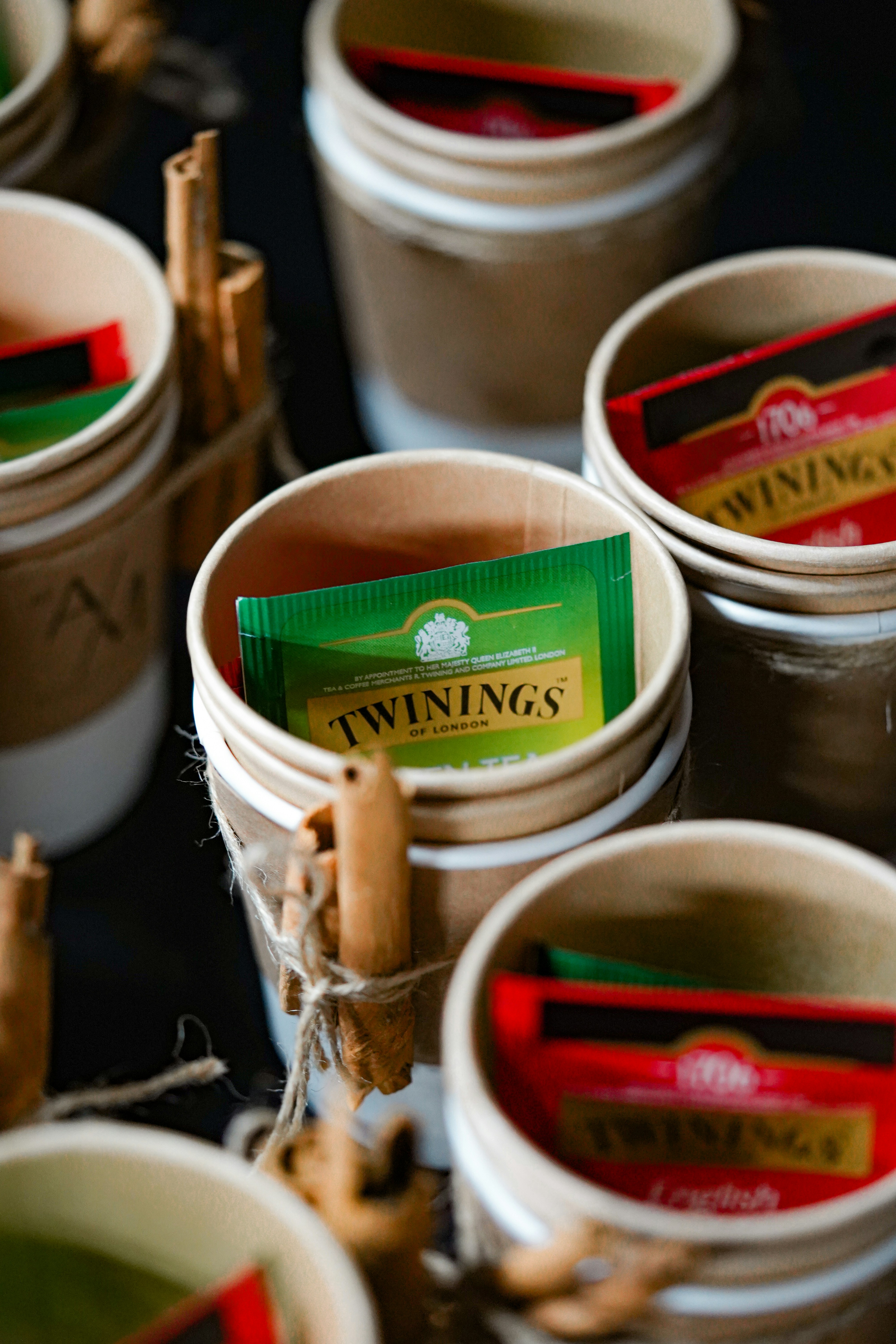
The history of British tea brands is a rich tapestry woven through centuries of cultural exchange, commerce, and domestic enjoyment. Tea was introduced to Britain in the early 17th century, gradually solidifying its place within the social fabric of the nation. Among the foremost players in this domain is Twinings, established in 1706 by Thomas Twining. Originally a coffee house, it quickly transitioned to tea, evolving into a premium brand recognized for its quality and variety. Twinings introduced blends such as Earl Grey, which became synonymous with British tea culture and remains a staple in households today.
In the 20th century, another prominent name, PG Tips, emerged. Launched in 1930, this brand revolutionized tea-drinking with innovative marketing strategies, including the introduction of the “tea bag” to British consumers. PG Tips focused on providing everyday convenience without compromising flavor, and it swiftly gained popularity across the country. This evolution of British tea brands reflects not only changing tastes but also the increasing pace of modern life, showcasing an ongoing adaptation to consumer needs.
Over the years, other brands like Typhoo and Yorkshire Tea have also contributed significantly to the British tea market. Typhoo, known for its distinctive red packaging, entered the scene in the late 19th century, emphasizing quality over quantity while expanding its offerings. Yorkshire Tea, famous for its robust blends, was launched in 1977 and has gained a loyal following for its dedication to sourcing the finest tea leaves.
Essentially, the historical journey of British tea brands illustrates an evolution from luxury to everyday necessity, marking tea not just as a beverage but as a vital part of British identity. This journey continues to progress, reflecting broader social changes and consumer preferences, thereby securing its status in contemporary society.
Please enter product(-s) ASIN(-s)!Signature Products of British Tea Brands
Classic British tea brands are renowned not only for their rich history but also for the exquisite variety of products they offer. Among the plethora of options, traditional black teas like Earl Grey and English Breakfast are hallmarks of British tea culture. These blends often incorporate a careful blend of robust Assam, fragrant Ceylon, or malty Kenyan teas, delivering unique flavor profiles that cater to diverse palates.
In addition to the tea blends, these brands frequently present their products in beautifully designed tea tins. The art of packaging is not merely functional; it reflects the heritage and elegance associated with British tea drinking. Decorative tins often feature traditional motifs or iconic symbols, making them collectible items that resonate with tea enthusiasts. Notably, some brands have embraced sustainability in their packaging choices, creating eco-friendly options that align with modern environmental standards while maintaining the elegance that is synonymous with British tea.
Another innovative product line gaining popularity is tea bags infused with various flavors, made from high-quality tea leaves. Brands, maintaining their commitment to quality, have developed pyramid tea bags that allow the leaves to expand fully, enhancing the infusion process and delivering a more flavorful cup. This evolution in product design demonstrates how traditional British tea brands are innovating while honoring their rich legacy.
Moreover, many classic British tea companies have expanded their ranges to include herbal teas, green teas, and even decaffeinated options, catering to an increasingly health-conscious consumer base. This diversification not only showcases the brands’ ability to adapt to changing tastes but also affirms their commitment to quality across different types of teas.
Please enter product(-s) ASIN(-s)!The Cultural Impact of Afternoon Tea
Afternoon tea has long been associated with British culture, emerging as a social ritual in the early 19th century. This tradition, attributed to Anna Maria Russell, the Duchess of Bedford, served as a solution to the prolonged gap between lunch and dinner. As it gained popularity, afternoon tea transformed into a cultural icon, incorporating various elements such as social gatherings, culinary experiences, and the ceremonial use of traditional tea sets.
The significance of afternoon tea extends beyond mere sipping of tea; it serves as a social instrument that fosters connections among individuals. This occasion often brings together family and friends in a relaxed setting, allowing for conversation and bonding. The ceremonial nature of afternoon tea is deeply embedded in British society, often reflecting social hierarchies and cultural norms. Teas can vary from simple home gatherings to lavish, formal events, thereby showcasing the spectrum of British hospitality.
Central to the experience of afternoon tea are traditional tea sets, including beautifully crafted teapots and elegant mugs, which contribute significantly to the ambiance of the occasion. These teapots, often made from fine china or porcelain, are more than functional objects; they embody artistry and craftsmanship. The aesthetic appeal of these tea sets enhances the overall experience, making tea-drinking a visual pleasure as well as a taste sensation. The use of a well-designed tea set underscores the importance of presentation in British culture, reflecting the value placed on etiquette and tradition.
Moreover, afternoon tea has also played a role in the globalization of British culture, influencing tea practices around the world. As tea has become more integrated into various cultures, the traditional elements of afternoon tea remain a symbol of British elegance and social sophistication. This enduring practice continues to thrive, evolving with modern tastes while respecting its historical roots.
Please enter product(-s) ASIN(-s)!Iconic Tea Accessories and Gifts
The rich tradition of British tea culture extends beyond the beverage itself, manifesting in a variety of accessories and gifts that enhance the tea experience. Among these, decorative tins have become iconic symbols of British tea brands. Often adorned with intricate designs and vivid colors, these tins serve not only as functional storage for tea leaves but also as beautiful pieces of art that can elevate any kitchen or pantry. Their aesthetic appeal makes them perfect for gift-giving, especially for tea enthusiasts who appreciate both taste and style.
Another essential element of the British tea experience is the bespoke mug. These mugs, often crafted with care, come in various designs that reflect the heritage of British tea culture. From classic floral patterns to contemporary styles, bespoke mugs allow tea drinkers to enjoy their favorite brew in a vessel that resonates with their personal style. Beyond their practicality, these mugs often serve as conversation starters, allowing tea lovers to share their passion for the ritual of brewing and enjoying tea.
Gift sets tailored for tea aficionados have also gained popularity, combining a selection of high-quality teas with meticulously chosen accessories. Many of these sets include not only different varieties of tea but also include accompanying items such as strainers, coasters, and even small teapots. Such thoughtful combinations create an immersive experience, allowing recipients to delve deeper into the world of tea. The combination of carefully curated products makes these gift sets an ideal present for special occasions or simply to show appreciation for fellow tea lovers.
In essence, the incorporation of these iconic tea accessories and gifts not only enhances the overall experience of enjoying British tea but also provides a means for individuals to connect and share their shared passion with others. The elegance of the accessories reinforces the cultural significance of tea in British society, making it a timeless ritual to be cherished.
Please enter product(-s) ASIN(-s)!The Role of Tea in British Celebrations
Tea holds a prominent place in British culture, and its significance is especially pronounced during social gatherings and celebrations. From traditional afternoon tea to jubilant wedding receptions, the beverage serves as a cornerstone of hospitality, showcasing the warmth and congeniality inherent in British customs. Events, whether casual or grand, are often accompanied by the gentle clinking of teacups and the rich aroma of a well-brewed cup.
For many, a wedding is a quintessential event where tea plays a vital role. Following the exchange of vows, the reception typically features a lavish spread that might include various tea options, beautifully paired with delicacies such as scones, finger sandwiches, and pastries. The act of treating guests to tea not only demonstrates graciousness but also creates a communal atmosphere, encouraging conversation and connection among attendees.
Moreover, British holidays present another occasion when tea becomes a guiding star in celebrations. During occasions like Christmas, Easter, and even Guy Fawkes Night, families often gather around a pot of tea, making it an integral part of their celebrations. This practice serves to bridge generations, offering a moment of reflection and joy over a shared cup. The brewing of tea, accompanied by the half-forgotten stories regaled by relatives, fosters an experience steeped in tradition.
In addition, tea has been recognized across various festivities such as the Queen’s Jubilee, where commemorative teas are organized to celebrate national pride and camaraderie. These teas transcend mere refreshments; they embody a collective spirit, enhancing the festive spirit and providing a unique experience that strengthens social bonds.
Through its consistent presence in both minor and grand occasions, tea has carved out an essential role in British celebrations, illustrating its significance not just as a beverage but as a means of uniting people during life’s most cherished moments.
Please enter product(-s) ASIN(-s)!Contemporary Trends in Tea Consumption
The landscape of tea consumption in the UK has significantly evolved in recent years, reflecting both global influences and modern lifestyles. One of the most notable trends is the rising interest in specialty teas. Consumers are increasingly seeking out rare and unique blends, often exploring flavors that were previously overshadowed by traditional offerings like Earl Grey and English Breakfast. This shift towards specialty teas highlights a growing appreciation for the artistry of tea blending, where connoisseurs look for high-quality leaves combined with innovative flavor profiles.
Alongside specialty teas, organic options have gained traction among health-conscious consumers. The demand for organic teas reflects a broader preference for natural products and sustainable farming practices. As consumers become more aware of the environmental impacts of their choices, they are more willing to invest in organic brands that align with their values. This shift not only supports health but also addresses issues related to pesticides and chemicals used in conventional tea production.
Moreover, the influence of modern lifestyles plays a crucial role in shaping tea consumption patterns. As the pace of life accelerates, many individuals seek quick and convenient tea solutions. This demand has fostered the growth of ready-to-drink tea products, including bottled iced teas and tea sachets that require minimal preparation. Consequently, traditional ritualistic brewing methods may be challenged by the convenience offered by these contemporary alternatives. However, despite these changes, many still cherish the ceremonial aspects of tea preparation, blending old customs with new practices.
In conclusion, the evolving tea consumption trends in the UK demonstrate a dynamic interplay between tradition and modernity. Specialty, organic, and convenient tea options are reshaping how people engage with tea, showing that even in change, the elegance of classic British tea brands continues to thrive.
Please enter product(-s) ASIN(-s)!Sustainability and Ethical Practices in Tea Production
In recent years, classic British tea brands have increasingly made strides in embracing sustainability and ethical sourcing practices. The tea industry, traditionally associated with unique blends and exceptional flavors, is now redefining its role in addressing environmental and social issues. Many notable brands are actively pursuing efforts to ensure that their tea is produced in ways that support the well-being of the planet and the communities involved in its cultivation.
A significant aspect of sustainable tea production is the emphasis on ethical sourcing. Fair trade movements have gained momentum, encouraging classic British tea brands to build transparent relationships with farmers. This model not only guarantees fair wages for tea growers but also enforces better working conditions and promotes community development initiatives. By investing in the welfare of the producers, these brands contribute to a resilient supply chain, ensuring the long-term sustainability of tea farming.
Moreover, environmentally friendly packaging has become a priority for many classic British tea brands as the global focus on reducing plastic waste intensifies. Companies are exploring alternatives such as biodegradable and recyclable materials, which mitigate the harmful impacts of single-use plastics on the environment. This shift towards eco-conscious packaging demonstrates a brand’s commitment to sustainability and appeals to a growing consumer base that prioritizes environmentally responsible products.
The integration of sustainable practices is not limited to sourcing and packaging alone; it also includes carbon footprint reduction strategies and biodiversity conservation. Many tea brands are investing in regenerative agricultural practices, such as promoting organic farming methods that enhance soil health while reducing pesticide use. By collaborating with local communities and environmental organizations, these brands are taking holistic approaches to environmental stewardship.
Ultimately, the commitment to sustainability and ethical practices among classic British tea brands reflects a broader cultural shift towards responsibility and accountability in the marketplace. As consumers become ever more conscious of their choices, brands that champion these principles are likely to resonate more profoundly, establishing a legacy of excellence that extends beyond taste alone.
Please enter product(-s) ASIN(-s)!Conclusion: The Future of British Tea
The landscape of British tea brands is witnessing a notable evolution, with the enduring appeal of classic brands remaining strong amidst a changing market. Over the years, traditional brands such as Twinings, Yorkshire Tea, and PG Tips have built a rich legacy that combines heritage with the highest quality standards. These brands have successfully cultivated a loyal customer base and a unique identity that resonates with tea lovers not only in the United Kingdom but globally.
As consumer preferences shift towards health-conscious products and sustainable sourcing, British tea brands are gradually adapting to these emerging trends. The rise of herbal teas, organic blends, and ethically sourced ingredients reflects a growing demand for transparency in food and beverage production. Brands that align themselves with these values are likely to foster deeper connections with modern consumers who prioritize quality and sustainability.
Moreover, the rise of premium teas and artisanal blends presents an opportunity for British brands to reinforce their commitment to excellence while exploring new product lines. By incorporating innovative flavors and experimenting with non-traditional tea formats, brands can appeal to younger generations and expansion into markets beyond the traditional demographics, thereby ensuring longevity.
Through careful navigation of contemporary challenges such as competition from global brands and market saturation, British tea brands possess the potential to thrive. By remaining rooted in their rich history and traditions while evolving with consumer expectations, they can successfully maintain their status as cherished staples in contemporary culture.
Ultimately, the future of British tea brands hinges on their ability to balance their historical legacy with innovation and sustainability, ensuring that they continue to enchant tea enthusiasts for generations to come.
Please enter product(-s) ASIN(-s)!