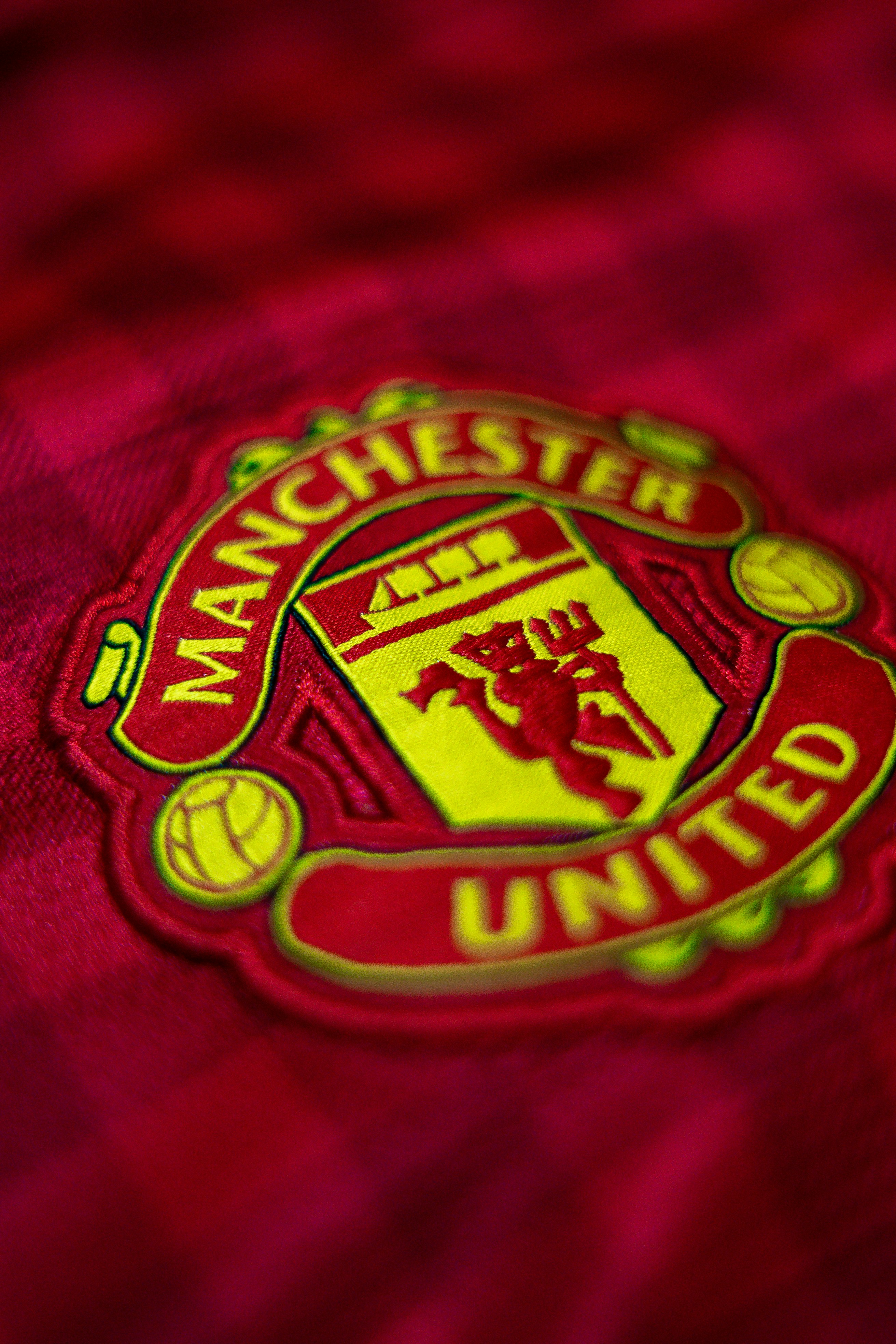
Introduction to Football Club Crests
Football club crests serve as vital symbols of a team’s identity and heritage. These emblems encapsulate not only the essence of the football club but also its history, values, and local culture. Designed with care and thoughtfulness, crests feature various elements, including colors, mascots, and historical symbols that resonate deeply with fans. The significance of a crest goes beyond mere aesthetics; it cultivates a sense of belonging and loyalty among supporters.
As fans don their team’s colors and display the crest on merchandise, they are not merely showcasing a brand but expressing their connection to a community and tradition. The crest often evokes emotion, uniting fans in celebrations of victories and shared experiences during defeats. This emotional bond amplifies the resonance of a club’s crest, marking it as a pivotal component of the overall fan experience.
In addition to embodying passion and loyalty, football club crests play an important role in the club’s marketing strategy. They are essential for brand recognition in a competitive sports market, acting as a focal point in merchandise sales, promotional materials, and media coverage. As teams engage in global outreach, a well-designed crest becomes a representational asset, capturing attention and fostering awareness across diverse audiences.
Furthermore, the evolution of a crest can reflect changes within the club, signaling fresh beginnings or celebrating important achievements. Whether it is a redesign or a return to tradition, such transformations highlight a club’s adaptability and commitment to preserving its legacy while embracing contemporary perspectives. Hence, understanding the multidimensional significance of football club crests is essential for appreciating not only their artistic value but also their role in enriching fan engagement and team identity.

Historical Evolution of Club Crests
The evolution of football club crests is a fascinating journey that intertwines with the cultural and social dynamics of society. The origins of these crests can be traced back to the late 19th century, when clubs began to adopt visual identities that reflected their local heritage and community pride. Early designs were often simplistic, featuring basic symbols that resonated with the club’s geographic location or founding members, such as local landmarks or traditional insignias.
As football gained popularity in the early 20th century, club crests began to evolve in complexity, incorporating elements that represented the values and aspirations of the teams. Notably, clubs like Manchester United and Liverpool revamped their logos in response to significant events. For instance, Manchester United’s crest was altered following the Munich air tragedy of 1958, introducing five stars that symbolize resilience and remembrance. This change illustrated how crests could convey powerful narratives beyond mere imagery.
The crest designs continued to adapt throughout the latter part of the 20th century, reflecting broader societal trends, such as the rise of multiculturalism and global awareness. Clubs began to incorporate diverse symbols, promoting inclusivity and community engagement. For example, Chelsea FC introduced a crest featuring a lion, symbolizing strength and courage, alongside the more contemporary touch of incorporating dynamic colors and styling that appealed to a younger fan base.
In today’s digital age, the design and evolution of football club crests have become even more significant. Clubs are now tasked with creating logos that are not only visually appealing but also resonate across various media platforms. This shift signifies the importance of an identity that can withstand the test of time while appealing to a global audience, ultimately reflecting the rich history and culture of the clubs in the modern sporting landscape.
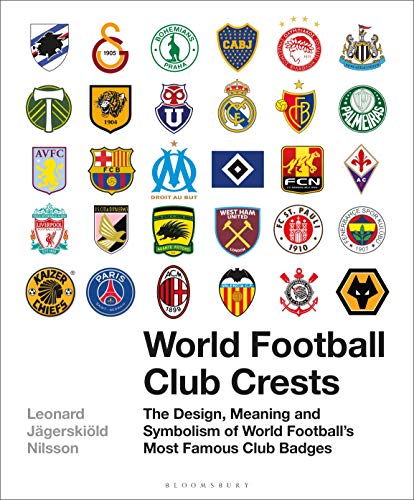
Symbolism in Crest Designs
The design of a football club crest is often a rich tapestry of symbolism, representing not only the club’s identity but also its connection to the local community and culture. Various elements such as animals, shapes, and colors are carefully chosen to embody the values and heritage of the club. For instance, the lion is a common motif found in numerous crests, symbolizing bravery, strength, and courage. Clubs like Leicester City utilize the image of a lion prominently, which resonates with the historical significance of this animal in the region’s heraldry.
Shapes used in crest designs also hold meaning. Circular designs often suggest unity and community, while shields or banners may reflect historical traditions of defense or pride. Clubs such as Arsenal incorporate a cannon in their crest, signifying their historical roots in the area and the club’s longstanding connection to warfare and valor. The inclusion of such shapes not only reinforces the club’s identity but also creates a visual narrative that fans can relate to.
Colors, too, play a pivotal role in the symbolism of football crests. Each shade represents different attributes; for example, blue is often associated with trust and loyalty, while red can evoke passion and energy. The colors chosen by clubs like FC Barcelona, which features blue and garnet, not only identify the team but also evoke the working-class roots and pride of the Catalan culture. This careful selection of crests is essential as they act as a visual anchor for fans, embodying their shared identity and aspirations.
Iconic Football Club Crests Through Time
Football club crests have become emblematic symbols for clubs, encompassing their identity, heritage, and values. Among the most iconic are the crests of clubs like FC Barcelona, Manchester United, and Juventus. Each of these crests not only signifies the club’s branding but also tells a unique story about its evolution.
Starting with FC Barcelona, their crest, known as the “Escudó”, incorporates the Catalan flag and a depiction of a cross, reflecting the club’s regional pride and historic roots. Over the years, this crest has undergone changes, with the most significant alteration in the 2002 redesign, which streamlined the design while retaining the core elements that connect generations of fans.
Transitioning to Manchester United, the club’s crest, featuring a devil and a ship, has seen several transformations since its inception in 1878. The current iteration, adopted in 1998, is recognized globally, symbolizing strength and determination. This evolution from a more ornate design to a simplified version highlights modern branding’s emphasis on clarity and recognizability in a competitive sports landscape.
On the other hand, Juventus presents a fascinating case with its iconic black and white striped crest. The club embraced a major overhaul in 2017, moving towards a minimalist design that reflects contemporary branding trends. This bold move was a departure from tradition but aimed at capturing a younger audience while remaining rooted in the club’s rich history.
These examples illustrate that iconic football club crests are not static; they evolve while preserving key historical elements. This balance between tradition and modernity is what keeps these symbols relevant and cherished among fans worldwide. The evolution of these crests is a testament to each club’s commitment to its heritage, culture, and the ever-changing nature of football fan engagement.


The Role of Design in Club Identity
The design of a football club crest plays a vital role in shaping the identity and brand image of the club. Essential elements such as typography, color schemes, and imagery not only help distinguish one club from another but also evoke a sense of belonging and pride among fans. Clubs traditionally employ specific fonts and styles in their crests to convey their unique character and values, ensuring that these design choices resonate deeply with their supporters.
For instance, the choice of color schemes within a football club’s crest often reflects the historical roots and local identity of the community it represents. Colors can elicit emotional responses, strengthen loyalty, and differentiate teams in competitions. When teams face off, the visual representation of their crests—often prominently displayed on jerseys and merchandise—serves to unite supporters who wear their colors with pride.
Furthermore, the imagery incorporated into a club’s crest can carry significant meaning. Elements such as heraldic symbols, animals, or geographic features reinforce the club’s history and connection to its locality. By embedding such symbolism into their designs, clubs create a deeper narrative that fans can engage with, enhancing the overall brand experience.
Merchandising plays a key role in amplifying a club’s identity through these crests. From shirts and scarves to various memorabilia, the crest becomes a ubiquitous mark of affiliation, allowing fans to express their allegiance visually. The crest thus transforms from a mere logo into a portable symbol of community, pride, and loyalty—each piece acting as a canvas for fans to showcase their devotion. Ultimately, the thoughtful design of club crests is central to cultivating rich connections between football clubs and their supporters, creating a lasting legacy within the broader football culture.

Contemporary Trends in Crest Design
In recent years, the design of football club crests has undergone a significant transformation, reflecting broader trends in graphic design and branding. The evolution from intricate, detailed crests to more minimalist approaches has been particularly notable. This shift is largely influenced by the increasing prevalence of digital media, where simplicity and clarity often take precedence over complexity.
Contemporary designs frequently favor clean lines and geometric shapes, resulting in more stylized representations that are easily recognizable at various sizes. The use of negative space has become a popular technique, allowing for clever integrations of symbols and imagery that resonate with fans while maintaining an elegant aesthetic. Many clubs are opting for monochromatic or dual-color schemes, enhancing the visibility of the crest on various platforms, from social media icons to merchandise. This streamlined approach aids in fostering a strong brand identity, essential in today’s marketing landscape.
Additionally, the influence of global culture and trends cannot be overlooked. As clubs aim to reach international audiences, crest designs often reflect broader cultural symbols and themes, making them relatable across different regions. The rise of digital technologies has also enabled clubs to explore innovative designs that can easily evolve over time to stay relevant. This adaptability is crucial in a rapidly changing market environment, where fan engagement is increasingly tied to a club’s visual representation.
Furthermore, sustainability has emerged as a vital consideration within the realm of crest design. As clubs endeavor to align themselves with eco-friendly practices, designs may incorporate elements that signify their commitment to sustainability, enhancing their relevance in a socially conscious world. In an era where football clubs are not just sporting entities but brand ambassadors, the design of crests encapsulates their identity, aspirations, and values in a highly visual form.

- Made in the UK – Using premium materials and cutting-edge production techniques, ensuring superior quality, durability, …
- Military Grade & Drop-Tested Protection – This official West Ham United Football Club magnetic phone case features paten…
- Compatible with MagSafe – This Apple iPhone 15 Plus case is designed for full compatibility with wireless charging and s…
Collectibles and Fan Merchandise
Football club crests serve not only as symbols of identity but also as focal points for various collectible items that resonate with fans. Among the most sought-after collectibles are scarves, shirts, and wall art. Scarves, often displayed with pride during matches, typically feature intricately designed crests that signify allegiance to a particular club. These scarves not only keep fans warm but also foster a sense of community among supporters, reinforcing an emotional connection to the team they cherish.
T-shirts and jerseys adorned with club crests are another popular form of merchandise. Purchasing and wearing apparel that features a beloved crest elevates the experience of fandom. Fans commonly wear their team’s kits not only to support during live matches but also as a statement of loyalty in their daily lives. The emotional value associated with these garments extends beyond the fabric; they become items of pride, collecting marks of personal achievements and memories linked to their support of the club.
Wall art featuring club crests has also gained popularity among fans wanting to display their passion in their homes or offices. These artworks can vary from high-quality prints to canvases and even bespoke furniture pieces. Crests in art form cater to diverse tastes, enabling fans to showcase their affection for their favorite teams aesthetically. As a result, these collectibles serve not just as decorative items but as tokens of loyalty, commemorating moments of triumph and keeping the spirit of the club alive even when fans are miles away from the stadium.
The significance of these collectibles extends beyond mere ownership; they foster a communal bond among fans, bridging generations of supporters. Each item, adorned with a club crest, tells a story and encapsulates the passion that defines football culture.





The Impact of Crest Redesigns
Football club crests serve as essential symbols encapsulating the history, values, and identity of the clubs. Over the years, many clubs have opted for crest redesigns, which often reflect a shift in branding strategy or a desire to modernize the club’s image. However, these redesigns can evoke a wide spectrum of responses from fans and the public alike, prompting discussions regarding the essence of club identity.
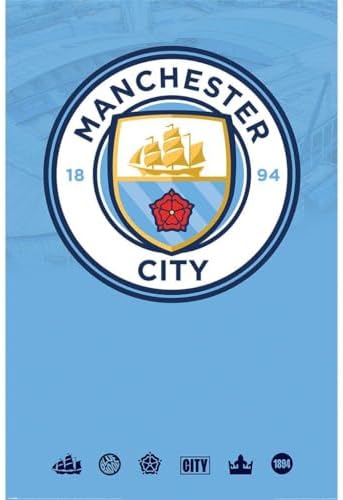
One notable example is the redesign of the Manchester City crest in 2016. This update was met with a polarized reaction from supporters; while some appreciated the return to a more classic design reminiscent of the club’s history, others felt that the changes did not represent the spirit of the club. The backlash highlighted how deeply entrenched club crests are in the heart of fan culture, illustrating that these symbols are not merely visual representations but are intrinsic components of club heritage.
Similarly, when rebranding takes place, it frequently brings about concerns regarding brand loyalty. Fans often view the crest as an extension of their emotional attachment to the club. For instance, the Arsenal FC crest underwent changes over the years, leading to significant debates among supporters about the implications of these modifications. Fans feared that the rebranding might dilute the club’s essence and traditional values.
Furthermore, crest redesigns can influence the club’s marketing strategy and commercial appeal. A modernized crest may attract new fans and sponsors, fostering a broader brand reach. However, striking a balance between modernization and retaining historical elements is crucial, as alienating long-time supporters could have serious repercussions for the club’s loyalty and support base. Thus, clubs must navigate these changes carefully, as crest redesigns can shape not only their identity but also their relationship with devoted fans.
Conclusion: The Future of Club Crests
Football club crests hold a place of great importance not only in the identity of a club but also within the broader context of sporting culture. These emblems, often rich with tradition and history, encapsulate a club’s values, heritage, and aspirations. They serve as a connection between the club and its supporters, fostering a sense of belonging and loyalty. Over the years, we have witnessed the evolution of these crests, reflecting changes in design trends, societal values, and even shifts in football culture itself.
As we look to the future, the relevance of club crests will continue to grow and adapt. With advancements in technology and the increasing engagement of clubs with their global fanbases, these symbols may evolve further. Digital platforms allow for innovative representations of crests, creating opportunities for enhanced fan interaction and brand storytelling. Additionally, there may be a greater emphasis on sustainability and inclusiveness in the design process, reflecting the changing landscape of the sport and its audiences.
Moreover, as the popularity of football continues to expand worldwide, the significance of club crests will bolster their roles as cultural icons. Fans will increasingly appreciate these designs not merely as logos, but as storied representations of communal pride and passion. The continued examination of history surrounding these crests unravels deeper narratives about the clubs and the communities they represent, highlighting their importance in the footballing world.
In conclusion, football club crests are more than just images; they are a celebration of history and a testament to the loyalty of fans. As such, they remain a vital component of sporting culture, and their future promises even more creativity and connection as clubs continue to innovate and engage with their dedicated supporters.
- Shield England Flag Patch Iron Sew On T Shirt Hat UK Football Embroidered Badge
- 6.4 cm Width and 7.2 cm Height
