
Introduction to Classic Airline Logos
Classic airline logos hold a distinctive charm and significance, as they encapsulate a unique era in aviation history. These logos not only served as branding for airlines but also represented the innovation and glamour associated with the golden age of air travel. During this time, flying was considered a luxurious experience, prompting airlines to design logos that resonated with a sense of adventure and modernity.
The evolution of airline logos began in the early 20th century when companies sought to differentiate themselves in an emerging aviation market. These visuals played a critical role in branding and marketing strategies, showcasing each airline’s identity. For example, the iconic winged logo of Pan Am, which emerged during the 1920s, became synonymous with international travel and adventure. Similarly, TWA’s bold red bird signified speed and efficiency, embodying the spirit of the jet age.
Apart from their marketing purpose, these logos often reflected broader trends in design and culture. The streamlined forms, bold typography, and vibrant colors of many classic airline logos are a testament to the era’s emphasis on modernism and simplicity. Enthusiasts and collectors today appreciate these logos for their nostalgic qualities, often viewing them as artifacts of a bygone era. They evoke memories of travel excitement and dreams of distant destinations.
As we explore the impact of these classic airline logos further, it becomes evident that they are much more than mere symbols; they are representations of an entire culture surrounding flight. This nostalgia fuels a growing market for collectible memorabilia that features vintage logos, demonstrating a continued appreciation for the artistry and history embodied in these designs. Classic airline logos thus continue to captivate the imaginations of travel enthusiasts and collectors around the globe.

- Wall Art Decor: Printed on a Satin Smooth Heavyweight Paper (9 mils 216 gsm)
- Eco-Friendly Paper: Recycled – (FSC, SFI) Certified – Chlorine-Free (TCF, ECF)
- Unframed Prints: Standard sizes to fit standard ready-made available frames
The Design Evolution of Airline Logos
The design evolution of airline logos is a fascinating journey that reflects broader trends in design, culture, and technology over the decades. From their origins in the early 20th century, airline logos emerged as crucial branding tools, serving not only to identify the carrier but also to convey a particular image or ethos associated with air travel.
In the early years, many airline logos were relatively simplistic, often featuring stylized representations of aircraft or the company’s name in straightforward fonts. As air travel became more popular in the mid-20th century, logos began to evolve. This period saw a surge in creativity and innovation, with airlines exploring more abstract designs and dynamic typography. Notably, the introduction of streamlined designs and bold colors aimed to evoke feelings of excitement and luxury.
By the 1970s and 1980s, as competition intensified in the airline industry, branding became even more essential. Airlines began to adopt logos that were not only visually striking but also versatile across various contexts, such as signage, advertising, and digital media. This era marked the beginning of a trend toward minimalism, with designs distilling brand identities to their essence. Iconic examples include the simplified designs of British Airways and Lufthansa, both of which utilized geometric shapes and symbolic representations that communicated reliability and prestige.
The late 1990s and early 2000s introduced a digital revolution that influenced airline branding. With websites becoming essential marketing platforms, logos needed to adapt for effective online visibility and use across various digital environments. As a result, many airlines revamped their logos to be more recognizable at smaller sizes, further embracing simplicity in design while maintaining brand integrity.
Today, the evolution of airline logos continues to reflect changing societal values, emphasizing sustainability and modernity. As new airlines emerge and established ones adapt to market trends, the design of logos remains pivotal in shaping perceptions and fostering brand loyalty among travelers.
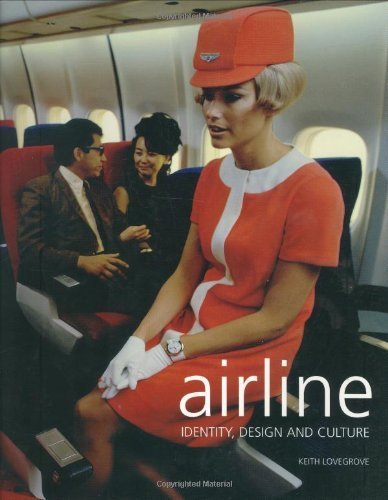
Why Classic Airline Logos Are Collectible
The allure of classic airline logos stems from a combination of nostalgic sentiment, rarity, and a reflection of the design aesthetics of their respective eras. As air travel became more accessible and commonplace in the mid-20th century, many individuals found themselves enamored with the romantic notion of flight, which these logos encapsulated. Collectors often describe their interest in vintage airline memorabilia as a way to connect with the past and evoke the adventurous spirit of travel during a time when flying was a luxury.
Moreover, the rarity of certain airline logos significantly contributes to their collectibility. As many airlines have either ceased operations or undergone significant rebranding, the logos from bygone eras have become scarce. For instance, items bearing the iconic Pan Am logo are highly sought after, not only due to the airline’s historical significance but also because of the diminishing number of available items. Collectors are often on the lookout for specific designs or eras, which can lead to spirited bidding wars at auctions where these logos are featured.
Another factor that enhances the significance of vintage airline logos is their connection to the distinctive design movements of the time. From the minimalist aesthetic of the 1960s to the bold colors and graphics typical of the 1970s, these logos reflect the cultural and artistic trends of their periods. Collectors often appreciate these visual elements, as they offer insights into the design psyche of different decades.
In light of these factors, many collectors have shared their passion for these artifacts. One enthusiast recounted a fascinating find at a flea market, discovering a pristine vintage poster from TWA that instantly transported him back to a time when air travel was a glamorous affair. Such stories are common among collectors, emphasizing the deep emotional connections that these logos hold beyond their aesthetic appeal.

Popular Collectible Items Featuring Airline Logos
As the aviation industry has evolved, so too have the iconic logos that represent various airlines. Many aviation enthusiasts and collectors seek to acquire items that feature these classic designs, which elicit a deep sense of nostalgia. A variety of collectible items showcasing airline logos have gained popularity over the years, appealing to diverse collectors who appreciate both the aesthetics and the history attached to these brands.
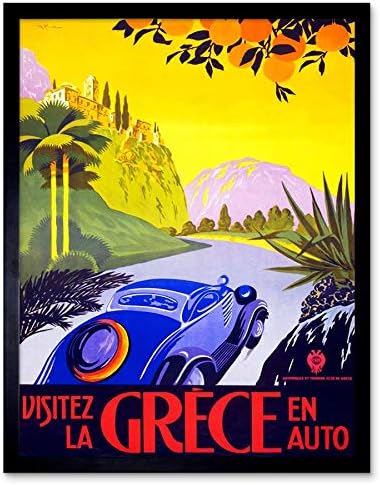
One popular collectible item is vintage aviation posters. These posters not only highlight airline logos but also include captivating artwork that reflects the travel culture of their time. Enthusiasts often seek these eye-catching pieces to enhance their personal collections or to decorate their homes and offices, as they serve as a conversation starter and a nostalgic reminder of air travel in its golden age.
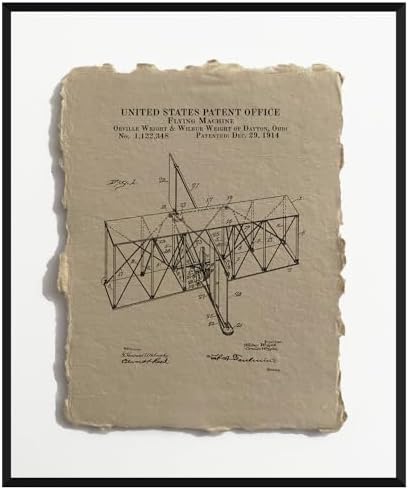
Framed prints featuring airline logos are also highly regarded among collectors. Many individuals prefer to display these prints in their living spaces, celebrating their passion for aviation history. Acquiring a limited edition framed print adds a layer of exclusivity and can appreciate in value over time, making it an investment as well.
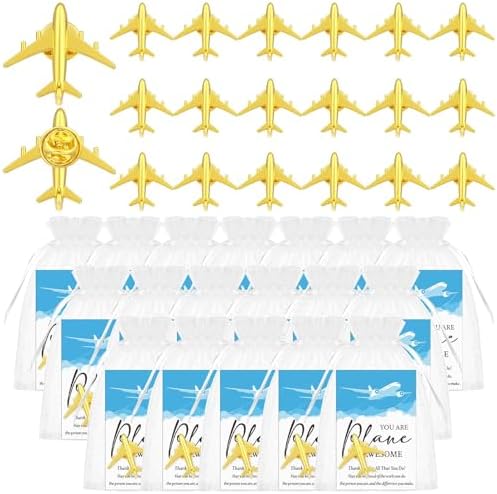
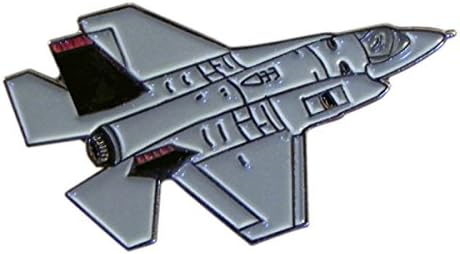
Model airplanes represent another sought-after collectible. Many enthusiasts enjoy assembling and displaying miniature replicas of classic aircraft adorned with renowned airline logos. These models encapsulate the essence of nostalgia while enabling collectors to appreciate the craftsmanship involved in aviation.
Moreover, branded mugs and apparel featuring classic airline logos have become popular, especially among those who wish to express their affinity for aviation in a more functional way. Wearing items like t-shirts or caps adorned with nostalgic airline graphics can create a sense of camaraderie among fellow aviation lovers, transforming collectors into a part of a larger community.
Overall, collectibles featuring airline logos serve not only as tangible items but also as windows into a rich aviation heritage, allowing enthusiasts to cherish and share their passion with others.



The Role of Nostalgia in Design Collecting
Nostalgia plays a significant role in shaping the passions and preferences of collectors, particularly when it comes to airline logos. This emotional connection to the past can be traced to the powerful psychological influence of nostalgia, which evokes a longing for simpler times and cherished moments. For many individuals, airline logos serve as symbols of memorable journeys and experiences, transporting them back to specific periods in their lives, whether it be a family vacation, a business trip, or a moment of adventure.
The allure of nostalgia is rooted in its ability to create a sense of comfort and familiarity. Collectors of airline logos often find themselves drawn to particular designs that remind them of their own personal journeys. This is indicative of the broader human experience, where emotional connections surge from visual stimuli. As such, airline logos become more than mere branding; they evolve into artifacts that encapsulate personal and collective histories.
As individuals seek to curate their collections, they often experience a rekindling of joy associated with their memories linked to travel. This emotional pull drives demand for these collectibles. Additionally, the design of airline logos, often characterized by vibrant colors and unique typography, resonates with collectors on an aesthetic level, enhancing their appeal. Collectibles that reflect a bygone era become coveted items, as people wish to preserve and share their travel memories with others.
Ultimately, nostalgia serves as a significant motivator for collectors, influencing not just what they choose to collect but also how they engage with these items. It underlines the concept that each logo is more than just a design; it is a connection to personal history, making the act of collecting both meaningful and rewarding. This emotional engagement reinforces the market dynamics for nostalgic airline logos, ensuring their status as timeless treasures in the world of design collecting.
Home Décor Trends Featuring Airline Logos
In recent years, there has been a noteworthy resurgence in the interest surrounding vintage airline logos and memorabilia, elevating these items from mere collectibles to sought-after pieces in home décor. With nostalgia becoming a prominent theme in modern design, many individuals are integrating classic airline logos into their living spaces, effectively blending history with contemporary aesthetics.
Collecting items featuring iconic airline logos, such as luggage tags, inflight menus, and old advertising posters, has evolved into a unique form of self-expression. These elements not only serve as conversation starters but also as artistic focal points that encapsulate a sense of adventure and the golden age of air travel. Creative collectors are utilizing these items in various ways; some opt for framed displays, merging nostalgia with modern wall art, while others might re-purpose the items into functional décor, such as cushions or throw pillows adorned with vintage airline insignias.
The trend emphasizes personal style and storytelling, allowing homeowners to showcase their passion for travel and history. Interior designers have also embraced this trend, often incorporating retro airline logos in various home settings, from man caves to chic living rooms. This integration not only adds a layer of character to the space but also reflects the growing appreciation for design that tells a story.
Additionally, airline-inspired furniture and accessories feature prominently. For example, coffee tables designed to replicate aircraft components or wall units decorated with snippets of airline branding can be seen in modern homes. By expressing individuality through these nostalgic pieces, collectors and decorators alike contribute to a broader movement that celebrates the allure of air travel and its visual history, proving that the charm of airline logos has not waned with time but instead, has found new life in contemporary design.


Where to Find Classic Airline Logo Merchandise
For enthusiasts of aviation and its rich history, collecting classic airline logo merchandise offers a unique window into the past. A variety of platforms and sources exist to help collectors and casual buyers alike discover and purchase authentic items featuring these nostalgic emblems.
One of the most accessible places to start is online marketplaces. Websites such as eBay and Etsy host a vast array of listings where vintage airline memorabilia can be found. From T-shirts and patches to luggage and inflight items, these platforms enable you to browse a plethora of options. To ensure the best purchasing experience, be sure to check seller ratings and product reviews, which can provide insights into authenticity and quality.
In addition to online marketplaces, dedicated vintage shops hold a treasure trove of airline-related collectibles. If you live in or plan to visit larger cities, look for shops that specialize in vintage fashion or memorabilia. These stores often curate collections that showcase airline logos from various eras, offering everything from apparel to framed artwork. Visiting in person can also provide opportunities to interact with knowledgeable staff, who may share additional insights about the items.
Auctions can also be a fruitful avenue for finding rare airline logo merchandise. Specialized auction houses often feature aviation collectibles in their catalogues, sometimes featuring unique items that aren’t available elsewhere. Keep an eye on platforms like Bonhams and Sotheby’s, which occasionally include aviation-themed auctions. Participating in live auctions can be exciting, and it allows for direct competition with other collectors for desirable pieces.
Lastly, consider joining online forums or social media groups dedicated to aviation collectibles. Members often trade or sell items, and can provide valuable leads on where to find specific airline merchandise. Engaging with the community can enhance your collecting journey and deepen your appreciation for these nostalgic emblems of air travel.

- Versatile decor piece: for enhancing the look of your desk, bookshelf, or any other space, adding a touch of elegance,ai…
- Delicate design: embodies the timeless elegance of vintage aircraft, adding a touch of history to your decor,wooden airp…
- Intricate craftsmanship: features detailed elements that make it look like a miniature version of a real plane,model air…
Care and Preservation of Collectibles
Collecting vintage items, particularly those adorned with classic airline logos, can be a rewarding hobby, both for the nostalgia it evokes and the pride of ownership. However, to maintain the value and condition of these collectibles, proper care and preservation are essential. Adopting effective methods for conservation will prolong the lifespan of these items while enhancing their display value.
One of the most critical aspects of preservation is the selection of appropriate storage materials. Archival-quality boxes or acid-free containers are invaluable for protecting items from environmental damage. Utilizing individual protective sleeves made from mylar or polyethylene can minimize contact with dust and oils from fingers, which can lead to degradation over time.
When considering storage methods, climate control is paramount. Vintage collectibles should be kept in environments where temperature and humidity are regulated. Ideally, a cool and dry room is best, as high temperatures and humidity could cause mold growth or fading. Avoid direct sunlight, as UV exposure can severely damage colors and materials. If possible, utilize UV-filtering glass when displaying items to shield them from harmful rays.
For maintenance, regular cleaning is recommended, but it should be performed with caution. Soft, lint-free cloths should be used to gently dust items, as abrasive materials may scratch surfaces. Avoid harsh chemicals; instead, use a mixture of mild soap and water when necessary, testing on a small area first. If you own fabric items, like uniforms or banners, a gentle vacuum with a screen attachment can remove dust without damaging the fibers.
Ultimately, the dedication to proper care will not only enhance the aesthetic appeal of your nostalgic airline collectibles but will also uphold their value, ensuring that they remain cherished pieces of history for years to come.

- Archival Storage Box Acid Free Archive Extra large fit 100 Archival Sleeves prints HAND MADE A4
Conclusion: The Timeless Appeal of Airline Logos
Airline logos represent much more than mere branding; they symbolize an era of aviation history that many hold dear. The nostalgia associated with these logos evokes a sense of adventure and exploration, reflecting the golden age of air travel. Through distinctive designs and color schemes, these logos capture the essence of their respective airlines, often becoming as memorable as the flights themselves. Over the years, many airline logos have transformed into collectibles, sought after by enthusiasts who appreciate the artistry and the storytelling embedded within each design.
As time progresses, the significance of these airline logos has not diminished. Instead, they have transitioned into tangible pieces of memorabilia that bridge past and present, allowing collectors to hold a piece of aviation history in their hands. The aesthetic appeal of these logos, combined with their historical context, creates a unique allure that transcends generations. Collectors often reminisce about their own travels, forging emotional connections with the logos that were once synonymous with their journeys.
Preserving these airline logos is crucial not only for collectors but also for the wider aviation community. Each logo tells a story, connecting individuals with the experiences of air travel, both past and present. Collecting and cherishing these emblematic designs fosters a deeper appreciation for the evolution of airline branding, while simultaneously honoring the heritage of the aviation industry. In doing so, we ensure that future generations can also enjoy and learn from the legacy of aviation culture.
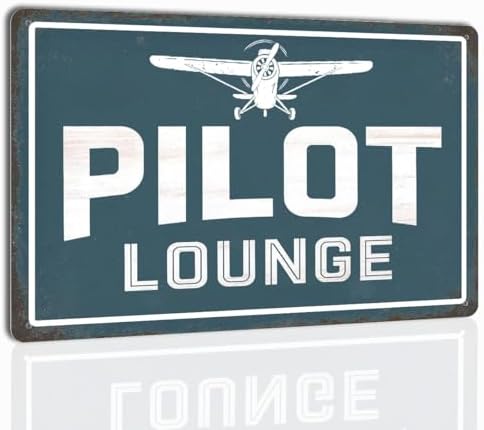
- Premium Aviation Wall Art: This 12×8-inch vintage airplane tin sign is crafted from high-quality metal and features pre-…
- Thoughtful Gifts for Aviation Enthusiasts: Perfect for pilots and airplane lovers, this sign is a meaningful choice for …
- Versatile Airplane Decor: Whether used as airplane wall art, airplane desk decor, or part of aesthetic room decor, this …
