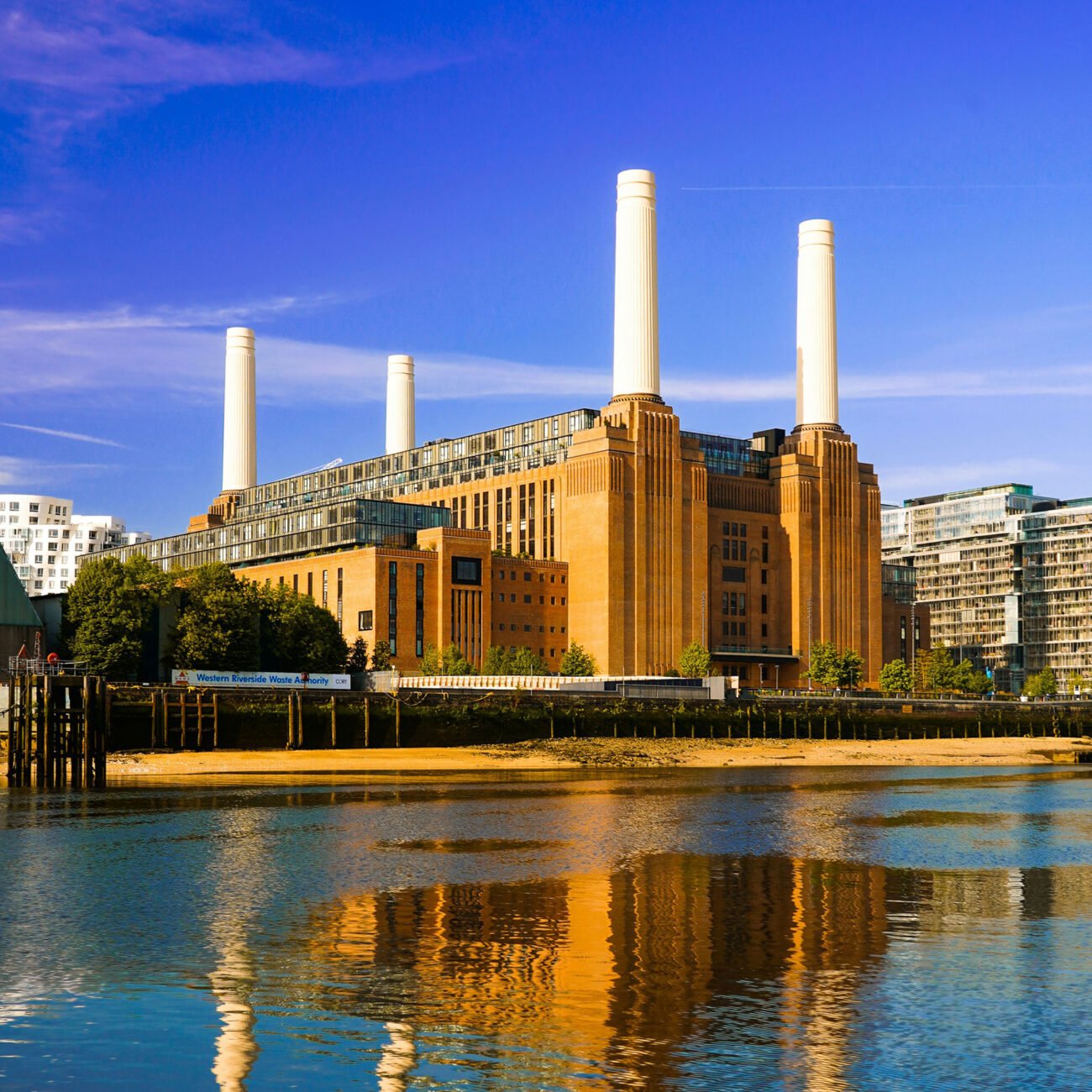
Introduction to Battersea Power Station
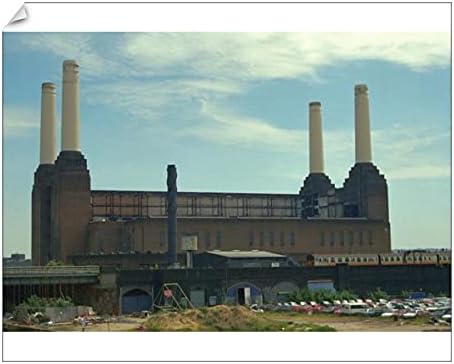
Battersea Power Station stands as one of London’s most recognizable landmarks, a symbol of the city’s rich industrial past and architectural prowess. Opened in the early 20th century, this coal-fired power station was initially designed to meet the growing energy demands of London’s population. Its significance extends beyond mere functionality; Battersea encapsulates the Art Deco design movement, featuring a distinct brickwork façade and four towering chimneys that have come to define the London skyline.
The construction of Battersea Power Station began in 1929 and was completed in 1939, showcasing a grand scale characterized by its impressive dimensions. This monumental facility had the capacity to generate ample electricity, powering a significant portion of London during its operational years. Due to its innovative engineering and aesthetic appeal, Battersea was regarded as a technological marvel, allowing it to retain a fond place in the hearts of Londoners.
Over the years, despite ceasing operations in 1983, Battersea Power Station has continued to capture the imagination of residents and tourists alike. Its iconic status contributes to a sense of nostalgia and collective memory associated with the history of energy production in London. The vast structure’s silhouette remains a key feature of the city’s skyline, often photographed and celebrated across various media.
As London has evolved, so has the vision for Battersea Power Station, which now represents a blend of historical significance and contemporary urban development. The site is currently undergoing redevelopment, transforming it into a vibrant hub for businesses, residents, and visitors while preserving its rich industrial heritage. This ongoing metamorphosis ensures that Battersea Power Station remains an enduring symbol of London’s legacy, bridging the past with the present.
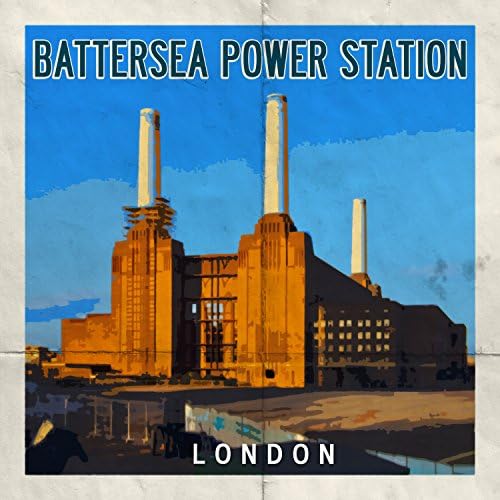
- 150mm Square Cellowrapped Greeting Card
- Blank for your own Message
- Supplied with plain white envelope
History of Battersea Power Station
Battersea Power Station, one of London’s most prominent landmarks, commenced construction in 1929 and began operations in 1933. It was designed by the architect Sir Giles Gilbert Scott and was developed to meet the tremendous demand for electricity during the early 20th century, a period marked by rapid urbanization and industrial growth. The station initially operated as a coal-fired power plant, generating electricity primarily for the city’s tramways and subway systems, which were expanding significantly during this period.
As one of the largest brick buildings in the world, Battersea Power Station was a remarkable feat of engineering. Its four iconic chimneys and art deco design made it a distinctive feature of London’s skyline. Following its opening, the station underwent several expansions, including the addition of the western half of the plant in 1940, which enhanced its capacity to produce electricity. During the Second World War, the power station played a crucial role in keeping the city illuminated, despite the challenges of wartime disruptions.
In the post-war years, Battersea Power Station continued to grow in significance, becoming a key provider of electricity for London and supporting the city during its recovery. However, by the 1960s and 1970s, the rise of cleaner energy sources and changes in energy policy began to impact the viability of coal-fired power generation. In 1983, after 50 years of service, Battersea Power Station was officially decommissioned. This marked a transitional phase for energy production in London, as the city leaned towards more sustainable energy solutions.
Today, the history of Battersea Power Station is a testament to the evolution of energy production in London and the architectural heritage of the 20th century. Its transformation into a mixed-use development offers a glimpse into the future while keeping alive the memories of its storied past.
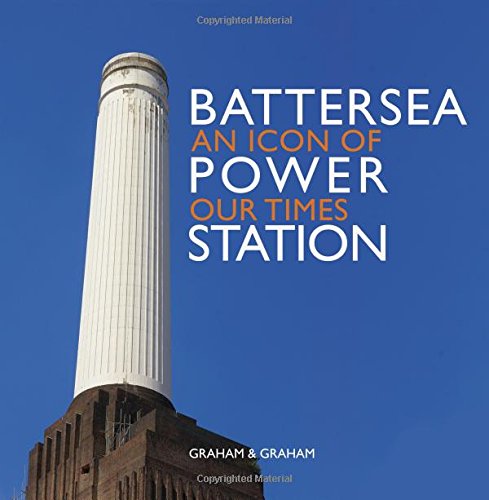
Architectural Marvel: Design and Construction
Battersea Power Station, a celebrated icon of London, represents a striking example of industrial architecture, deeply infused with a unique design philosophy by its architect, Sir Giles Gilbert Scott. Initially commissioned in 1929, the construction of this power station was driven by the need for a robust facility to meet the electric power demands of London. Scott’s vision combined functionality and architectural aesthetics, leading to a structure that would become synonymous with the city itself.
The design is profoundly influenced by the Art Deco movement, characterized by bold geometric shapes and a decorative flair, which is evident in both the exterior and interior of the building. The power station’s four chimneys, towering a remarkable 103 meters, have become an unmistakable part of the London skyline. This innovative use of large, brick-clad chimneys is not merely functional; it showcases the ambition of the time as it sought to elevate a typically utilitarian structure into a work of art.
Constructed primarily from a blend of traditional bricks and reinforced concrete, the choice of materials reflects the durability intended for extensive industrial use. The classic red and white striped pattern of the bricks provides a blend of elegance and strength, further enhancing its visual appeal. Inside, the cavernous turbine hall is a feat of engineering in itself, contributing to the power station’s unique ambiance and functionality.
Moreover, Scott’s design emphasizes light and space, incorporating large windows that offer spectacular views of the Thames and the surrounding area. This thoughtful integration of architectural features not only supports the operational needs of the power station but also serves to transform it into a cultural landmark. Such visionary design principles and meticulous attention to detail have cemented Battersea Power Station’s status as an architectural marvel, seamlessly marrying form and function in a way that continues to inspire admiration.

Cultural Impact and Representation
The Battersea Power Station has long transcended its original purpose, becoming a significant cultural symbol and an iconic landmark within London. Its striking Art Deco architecture has captured the imagination of artists, musicians, filmmakers, and designers, establishing it as a central figure in popular culture. One of the most notable representations of Battersea Power Station is found within the music industry, particularly through Pink Floyd’s renowned album cover for their 1977 release, ‘Animals’. The power station’s towering chimneys, coupled with the whimsical presence of an inflatable pig, have become a classic visual association with the band, highlighting the site not only as a physical structure but as an artistic canvas that symbolizes broader themes of industrialization and capitalism.
Furthermore, the visual allure of Battersea Power Station has led to its frequent appearances in various films and television series. It has served as a backdrop in numerous productions, showcasing its architectural grandeur and historical significance. Notably, the power station featured prominently in the 1994 film ‘GoldenEye’, where it played a role in a climactic sequence, contributing to its portrayal as both a futuristic and a retro element of London’s skyline. Additionally, in the television series ‘Doctor Who’, Battersea has been utilized to represent various fictional locations, emphasizing its versatility as a filming location and cementing its status in contemporary media.
Beyond music and film, the power station has inspired artworks from various creators, serving as a subject for both paintings and digital art. Its industrial aesthetic has appealed to many artists seeking to explore themes of modernity and the transition of urban spaces. As a result, Battersea Power Station is not merely an industrial remnant; it has evolved into a symbol of cultural identity, embodying the spirit of innovation and artistic expression.

The Decline and Revival of Battersea
After its closure in 1983, Battersea Power Station faced a significant decline, becoming a symbolic representation of the decay of London’s industrial past. The once-bustling site was left abandoned, leading to deterioration and vandalism. This period of neglect extended for over three decades, creating challenges not only for the structure itself but also for the surrounding community. Plans to redevelop the station were proposed multiple times but often fell through due to financial constraints and the complex nature of the project.
The turning point came in the early 2000s when property development began to garner interest, sparking efforts to restore Battersea to its former glory. In 2006, a consortium led by the Malaysian consortium, SP Setia and Sime Darby, acquired the site, marking the beginning of transformative redevelopment efforts. The vision for Battersea Power Station shifted from being a mere relic of the past to a centerpiece of a vibrant mixed-use community.
As part of the revitalization, critical developments included the construction of residential units, office spaces, retail outlets, and public areas, all designed to foster a sense of community. The project also emphasized sustainable practices, integrating modern amenities while preserving the iconic exterior. A notable aspect was the introduction of a new Thames riverfront walk, enhancing accessibility and encouraging public interaction with the area.
Today, Battersea Power Station stands as an exemplary model of urban regeneration, blending history with contemporary design. With the completion of the first phase, which includes luxury apartments and restaurants, the site is evolving into a thriving hub for both residents and visitors alike. This transformation is not only reinvigorating the landscape of London but also reinstating Battersea Power Station as a vital part of the city’s cultural and architectural heritage.

Battersea Power Station Today
Battersea Power Station, an emblem of London’s industrial past, has evolved from a decommissioned power plant into a thriving cultural and architectural attraction. After years of restoration, it now stands as a remarkable example of adaptive re-use, embodying both historical significance and contemporary innovation. The refurbished site is not just a monument but a vibrant hub that attracts visitors from around the globe.
Currently, Battersea Power Station is home to a diverse array of shops, restaurants, and offices, effectively transforming it into a central leisure destination. Visitors can explore its thoughtfully curated spaces and participate in various events that celebrate its rich history. The newly opened residential areas adjacent to the station further enhance the appeal of the site, providing a mixed-use community atmosphere.
Throughout the year, Battersea Power Station hosts numerous events, exhibitions, and activities that draw on its historical heritage while integrating modern artistic expressions. Art installations and exhibitions provide guests with the opportunity to appreciate the intersection between history and contemporary culture. Special events often center around themes related to industrial heritage, technology, and community engagement.
Additionally, guided tours are available, offering insights into the station’s architectural marvels and engineering feats. These tours enable visitors to understand the significance of the power station’s role in London’s development while showcasing its iconic Art Deco style. Families can enjoy interactive exhibits and themed activities designed to engage all ages, ensuring a comprehensive visitor experience.
In conclusion, Battersea Power Station today serves as a testament to London’s ability to preserve its cultural landmarks and adapt them for modern use. Its ongoing activities and events keep alive the legacy of this iconic structure while inviting new generations to explore and appreciate its unique architectural beauty.




Memorabilia and Merchandise
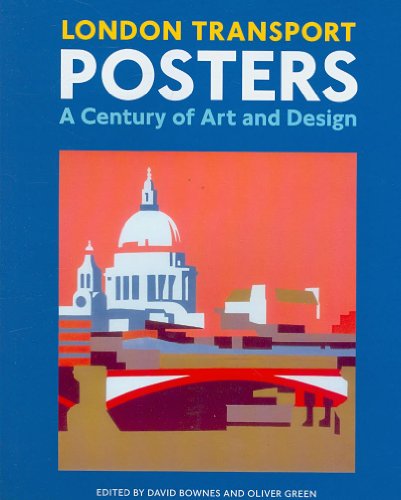
Battersea Power Station, a monumental symbol of London’s industrial heritage, has inspired a diverse range of memorabilia and merchandise that celebrates its iconic status. The power station is not only a striking architectural landmark but also a site of historical significance, making it a popular subject for various collectibles. Among the most sought-after items are posters and framed prints, which capture the stunning Art Deco details of the building. These artworks allow enthusiasts and tourists alike to bring a piece of London’s renowned history into their homes.
Books detailing the history and architecture of Battersea Power Station further add to the collection. These publications provide insights into its construction, its operational era, and the impact it had on the city over the decades. Such books serve as valuable resources for both researchers and casual readers interested in urban development or industrial history. Alongside literature, uniquely designed mugs and apparel featuring the power station’s likeness are also popular. These items not only serve practical purposes but also allow individuals to showcase their appreciation for this historical structure in their daily lives.
The continued production and availability of Battersea Power Station memorabilia contribute significantly to its enduring legacy. These items foster both local pride and tourist interest, making it a part of both everyday life and souvenir culture in London. As visitors seek tangible reminders of their experiences, these merchandise options offer a chance to keep the memory of this iconic facility alive long after their visit. The combination of historical significance and collectible appeal ensures that Battersea Power Station remains in the consciousness of both locals and visitors for years to come.




Future Prospects and Challenges
Battersea Power Station stands as a significant symbol of London’s industrial heritage, merging historical significance with contemporary urban redevelopment. As London continues to evolve, the future of Battersea Power Station presents both opportunities and challenges that demand careful consideration. One of the foremost challenges lies in the balancing act of urban development while preserving the historical integrity of this iconic structure.
Developers and city planners are often tasked with ensuring that modern needs are met without compromising the architectural legacy of the power station. As the capital seeks to expand and modernize its urban landscape, the pressures of commercial development come into conflict with heritage preservation. The redevelopment plans must contend with not only the physical preservation of the building itself but also its context within the surrounding area, which is rapidly changing. Residents and stakeholders have voiced concerns about maintaining the character of the neighbourhood while accommodating new commercial and residential spaces.
The transitional phase of Battersea Power Station further emphasizes the importance of adaptability in urban planning. The integration of new technologies and sustainable practices into the redevelopment project could potentially enhance its historical and cultural value while also elevating functionality for modern use. In this regard, incorporating green spaces, public amenities, and cutting-edge infrastructure could serve to enrich the community, appealing to both residents and visitors alike.
However, a conflict arises when commercial interests push for developments that might overshadow the historical aspects of the site. The challenge for city planners lies in prioritizing community needs and historical legacy simultaneously. Thus, the future prospects of Battersea Power Station will necessitate a collaborative approach among developers, city officials, and community stakeholders to ensure that the essence of this iconic landmark is preserved for future generations while accommodating the pressing demands of a growing London.

Conclusion: The Legacy of Battersea Power Station
Battersea Power Station stands as a monumental emblem of London’s industrial and architectural prowess. Originally completed in the early 20th century, this iconic structure not only revolutionized the way electricity was generated but also became a recognisable symbol of Britain’s post-war reconstruction efforts. Its distinctive Art Deco design, characterized by the four towering chimneys, has profoundly shaped the skyline of London, influencing architectural trends and serving as a point of pride for residents and visitors alike.
The legacy of Battersea Power Station extends beyond its formidable presence; it is intertwined with the cultural identity of London. Over the decades, the site has inspired artists, filmmakers, and musicians, further embedding itself in the city’s rich tapestry of creativity. From its feature in famous music videos to its appearance in blockbuster films, this historic landmark has left an indelible mark on popular culture, reinforcing its status as a cultural icon.
Moreover, the recent redevelopment of the site illustrates a forward-thinking approach to preserving history while embracing modernity. This transformation into a mixed-use space that includes residential, retail, and commercial developments is a testament to the adaptability of Battersea Power Station. It continues to foster social interaction and economic growth within its community, bridging the gap between the past and the present.
As we reflect on the significance of Battersea Power Station, it becomes clear that its allure lies not only in its architectural beauty but also in its capacity to forge connections between generations. Serving as a reminder of London’s industrious past, it encapsulates the city’s ongoing narrative, reinforcing its role as a vibrant and evolving metropolis.
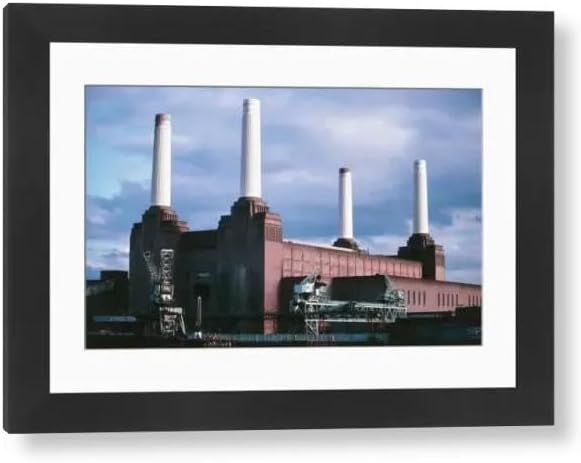
- Modern Frame 22″x18″ (58x48cm)
- Reproduction Print from Universal Images Group (UIG)
- Fade Resistant Archive Quality Paper
