Introduction to Wimbledon
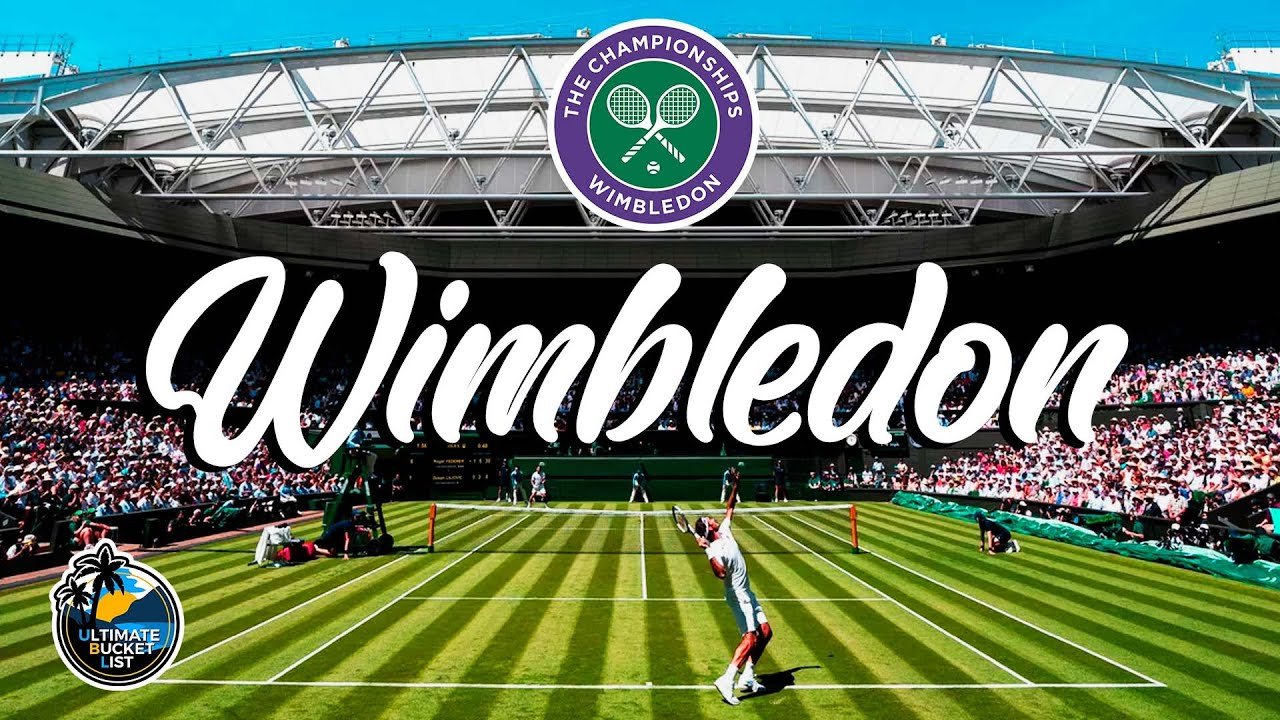
Wimbledon, officially known as The Championships, is the oldest tennis tournament in the world, dating back to 1877. Held annually in London, this prestigious event is part of the four Grand Slam tournaments and is undoubtedly a symbol of excellence and tradition within the sport. Over the years, it has evolved from a modest gathering into a grand spectacle, drawing in thousands of spectators and millions of viewers worldwide.
What sets Wimbledon apart from other tennis tournaments is not just its long and storied history, but also its role in shaping the cultural landscape of sports. For many, attending Wimbledon represents a rite of passage, symbolizing the elegance associated with the sport of tennis. The iconic Centre Court, adorned with its pristine grass surface, serves as a stage for the garnering of sporting greats, creating a rich tapestry of unforgettable moments.
Moreover, Wimbledon has transcended its status as merely a sporting event; it has become a cultural icon that encapsulates summer in England. With its traditions, such as the consumption of strawberries and cream and the strict dress code for players, Wimbledon fosters a sense of nostalgia and continuity. Every year, the Championship attracts celebrities, royalty, and tennis enthusiasts alike, united by their appreciation of the game and its heritage.
As the tournament progresses into the modern age, Wimbledon continues to innovate while retaining its core values. The introduction of technology in officiating and broadcasting illustrates a commitment to enhancing the spectator experience, while the ongoing efforts to make the event more inclusive reflect current societal values. Ultimately, Wimbledon stands not just as a testament to the sport of tennis, but as a beacon of tradition, excellence, and cultural significance in the world of sports.

Wimbledon Traditions
Wimbledon, renowned for its unparalleled prestige and historical significance in the world of tennis, is steeped in rich traditions that date back to its inception in 1877. These customs not only enhance the tournament’s uniqueness but also contribute to its status as a timeless sporting icon. One of the most notable traditions is the strict dress code, which requires players to wear predominantly white attire. This rule, established in the late 19th century, reflects the event’s elegant ethos and serves to create a distinct atmosphere, setting it apart from other sporting events where more casual attire is permitted.
Another cherished Wimbledon tradition is the consumption of strawberries and cream, a quintessential aspect of the tournament. This delightful refreshment has become synonymous with the event and symbolizes British summertime. In fact, it is estimated that over 28,000 kilograms of strawberries are consumed during the two-week tournament. This culinary tradition further enhances the overall experience for spectators, who indulge in this classic treat while enjoying high-level tennis.
Moreover, Wimbledon is known for its ceremonial activities, which include the iconic opening ceremony and the presentation of the trophies to the winners. These ceremonies are steeped in formality and tradition, with a particular emphasis on honoring the sport’s heritage and the achievements of the players. Another significant practice is the presence of ball boys and girls, who, dressed in their crisp uniforms, play a vital role in maintaining the flow of the matches, showcasing the event’s long-standing commitment to professionalism.
Ultimately, Wimbledon’s traditions cultivate an environment of reverence toward the sport, adding layers of richness to the experience for players and fans alike. These customs not only preserve its historic value but also ensure that each edition of the championship remains a prestigious affair, steeped in the elegance of its traditions.
Visual Identity of Wimbledon
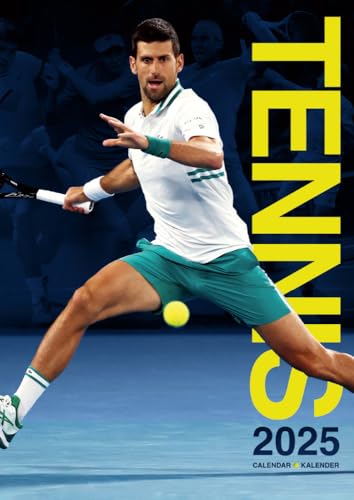
The visual identity of Wimbledon is characterized by its distinct color palette and traditional symbols, which emerge as pivotal components of the tournament’s brand identity. Chief among these are the iconic green and purple colors. The rich green serves as a nod to the lush grass courts that are a hallmark of this grand competition, evoking a sense of natural beauty and athleticism. The choice of deep purple, historically associated with royalty, adds a layer of prestige and sophistication to the overall aesthetic. Together, these colors not only enhance the visual appeal but also communicate the class and elegance expected from one of the world’s foremost tennis tournaments.
Additionally, strawberries and cream have become synonymous with Wimbledon, symbolizing the quintessential British summer experience. This delightful combination reflects the cultural traditions surrounding the event, and its frequent association with the tournament forms an integral part of the spectator experience. Vendors outfitted with the iconic purple umbrellas offer this seasonal treat to thousands of attendees who savor these flavors during matches. The strawberries and cream not only serve as a culinary delight but act as an emblem of Wimbledon’s rich history and its commitment to providing visitors with a unique and memorable experience.
Overall, the visual identity of Wimbledon is heavily influenced by its colors and signature items, which encapsulate the tournament’s ethos. These elements work harmoniously to establish a cohesive brand that resonates with audiences both local and international. By fostering a strong visual identity, Wimbledon has successfully created a recognizable image that continues to symbolize tradition, excellence, and the enduring appeal of not just a sporting event, but a cultural phenomenon.

- Printed on minimum 180gsm glossy photograph paper
- Printed using the best quality colour inks
- Unique and hand-made product
Sporting Excellence at Wimbledon
The Wimbledon Championships, often revered as the pinnacle of tennis, showcases an unparalleled level of sporting excellence that captivates audiences across the globe. Held annually at the All England Club, this prestigious event has become synonymous with both tradition and modern athletic prowess. Each year, the tournament attracts a roster of world-class players, featuring top-ranked competitors who have dedicated years to honing their skills on the court. Legends such as Roger Federer, Serena Williams, and Rafael Nadal have graced the hallowed grass, providing fans with unforgettable performances and moments that are etched in the annals of sports history.
Memorable matches at Wimbledon contribute significantly to its reputation as a hallmark of tennis excellence. From the fiercely contested finals to remarkable five-set thrillers, every match holds the potential to be historic. Iconic encounters, such as the 2008 men’s final between Federer and Nadal, highlight the competitive spirit that epitomizes the championship. This match, along with others, showcased not only extraordinary athletic abilities but also the mental fortitude required to triumph at the highest level. Such encounters elevate the tournament, making it not just a sporting event but a celebration of athletic excellence.
The competitive nature of Wimbledon also draws in a diverse global audience, with viewers tuning in from every corner of the world. The unmatched atmosphere, combined with the stakes inherent in high-level competition, creates a sense of anticipation leading up to each match. Spectators are not just passive viewers; they become emotionally invested in the players and outcomes, as they witness raw talent, resilience, and sportsmanship. Year after year, Wimbledon remains a testament to the enduring allure of tennis, embodying a spirit of excellence that resonates with countless fans.




Cultural Significance of Wimbledon
Wimbledon, the oldest tennis tournament in the world, stands as a cultural beacon not only in the realm of sports but also in various facets of popular culture. Established in 1877, its impact on tennis has transcended mere athletic competition, particularly in shaping the sport’s image as an elite pursuit. This perception has been cultivated through the tournament’s strict adherence to tradition, including its strict dress code and the presence of royal patrons, which reinforces its reputation as a prestigious event.
The influence of Wimbledon can be seen widely in literature and film. Numerous works have depicted the tournament, often highlighting not just the sport but also the environment of privilege and competition. For instance, in Ian McEwan’s novel “On Chesil Beach,” the characters’ experiences during Wimbledon serve as a backdrop to their story, symbolizing the interplay between personal aspirations and societal expectations. The cinematic portrayal of Wimbledon is reflected in films such as “Wimbledon,” which intertwines romance with tennis, making the tournament accessible to a wider audience and celebrating its allure.
Furthermore, Wimbledon has been a key player in shaping the professional landscape of tennis. As one of the four Grand Slam tournaments, it has contributed significantly to the globalization of the sport and its acceptance among audiences worldwide. The tournament’s renowned Centre Court has become synonymous with excellence in tennis and has set a benchmark for other tournaments to emulate. The cultural significance of Wimbledon can also be seen in its contributions to fashion, as the event has sparked trends that blend sport with sophistication, influencing not just athletes but also spectators.

Wimbledon and Fashion
The Wimbledon Championships, recognized not only for its prestigious sporting events but also for its captivating fashion statements, stands as a quintessential example of how athletic attire can influence broader fashion landscapes. Each year, the tournament attracts thousands of fashionable attendees and competitors who utilize the occasion not merely to showcase their athletic prowess but also to express their individual style. This involvment stands out particularly in branded clothing and accessories, which have become staples of both player and spectator wardrobes.
The players often sport the latest in athletic apparel, frequently emblazoned with the logos of prominent sports brands. This trend not only reflects the athletes’ personal sponsorships but also serves to set fashion trends. For instance, high-end designers have increasingly been called upon to collaborate with sportswear brands, resulting in outfits that are both functional and aesthetically pleasing, elevating the traditional tennis wardrobe. Fabrics have transitioned to more innovative materials that enhance performance, while maintaining a fashionable silhouette.
Additionally, the audience’s fashion choices at Wimbledon have evolved into a realm of sophistication and elegance. Attendees utilize the event as a platform to display refined sartorial choices ranging from tailored suits to elegant dresses and hats, creating a visual spectacle in the stands. This phenomenon underscores the enduring connection between sport and high fashion, as both players and spectators become part of a larger narrative that emphasizes elegance at this iconic event.
Caps have also made a resurgence in popularity, with many players and attendees incorporating them into their outfits, further exemplifying the blend of practicality and style. These accessories not only provide sun protection but also serve as fashionable statements. In stark contrast to traditional expectations, the inclusion of these items into the sporting ethos at Wimbledon highlights the ongoing evolution of fashion within this historic tournament.




Merchandising and Memorabilia
Wimbledon, the prestigious tennis tournament held annually, is not just a sporting event; it also serves as a cultural phenomenon that captivates millions of fans around the globe. As the tournament progresses, a variety of merchandise and memorabilia are produced, capturing the essence of the event and its significance. This range of products appeals to not only ardent tennis enthusiasts but also collectors who cherish items that represent this iconic tournament.
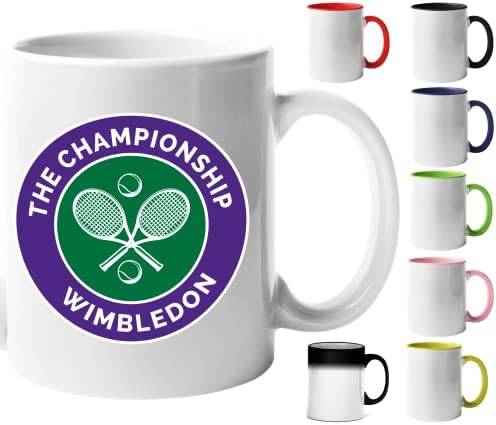
Among the most popular items are branded towels, which have become a staple for patrons attending the matches. These towels often bear the Wimbledon logo, symbolizing a connection to the tradition and history of the tournament. Beyond towels, fans often express their enthusiasm through a range of mugs featuring memorable quotes from legendary players or iconic moments from past tournaments. Such mugs not only serve as functional items but also as collectible keepsakes that evoke cherished memories of matches watched over the years.
Collectible items also play a significant role in the merchandising landscape of Wimbledon. Souvenirs such as commemorative programs, signed tennis balls, and limited-edition posters are highly sought after by collectors. These items often feature unique designs that celebrate specific players or historic matches, thereby enhancing their desirability. This appeal is heightened when items are signed or numbered, adding to their uniqueness and value in the eyes of collectors.
The Wimbledon merchandise is meticulously crafted to reflect the elegance and prestige of the tournament. Such products not only generate revenue for the event but also enable fans to foster a deeper connection to the sport they love. As collectors nurture their passion, they simultaneously contribute to the preservation of Wimbledon’s rich history, ensuring that the legacy of this timeless sporting icon continues for generations to come.


Wimbledon’s Timeless Appeal
The Wimbledon Championships, known for its rich history and prestigious status, exemplify a unique blend of tradition and modernity that contributes to its enduring charm. Established in 1877, Wimbledon has become synonymous with the sport of tennis, attracting fans from various age groups. The tournament’s unwavering dedication to its traditions, such as the all-white dress code for players and the consumption of strawberries and cream, evokes a sense of nostalgia and continuity that resonates with audiences year after year.
However, Wimbledon’s allure is not solely rooted in its historical significance. The event has consistently evolved alongside technological advancements and changing societal norms, ensuring that it remains relevant in a rapidly shifting landscape. The introduction of automatic line calling systems and the utilisation of high-definition broadcasting technologies enhance the live viewing experience for fans, both in the stadium and at home. Moreover, Wimbledon has embraced a robust digital strategy that appeals to younger audiences through interactive content and social media engagement, thereby bridging the gap between generations.
The championships’ iconic grass courts stand as a testament to the enduring nature of the tournament. Unlike the hard courts or clay surfaces found in other competitions, Wimbledon’s unique playing conditions create a distinct atmosphere that draws players and spectators alike. The intimacy of the All England Club, combined with its picturesque setting, further contributes to the event’s magical experience, providing a serene yet electric environment for tennis enthusiasts.
This timeless competition not only celebrates the sport but also fosters a sense of community among fans. The camaraderie shared among spectators, whether present at the venue or participating in global conversations online, is a significant element of Wimbledon’s appeal. Ultimately, Wimbledon represents more than just a sporting event; it is a cultural phenomenon that continues to attract ever-growing audiences, proving that tradition and modernity can harmoniously coexist.

- This option is the Framed A4 sized item 210mm x 297mm (8.3 x 11.7 inches) in a white wooden frame
- Perfect for any wall in your home or office (or home office) or as a gift.
- Reproduction of an Iconic print that has been restored by our team of experts
Conclusion and Future of Wimbledon
As one of the oldest and most prestigious tennis tournaments globally, Wimbledon holds a special place in the hearts of many sports enthusiasts. Established in 1877, it has not only set standards for tennis excellence but has also become synonymous with tradition and prestige. However, as the world of sports continues to evolve, the future of Wimbledon seems poised at a crossroads where it must balance its deep-rooted traditions with modern innovations.
The essence of Wimbledon is encapsulated in its unique traditions, such as the strict dress code, the consumption of strawberries and cream, and its renowned grass courts. These elements, while integral to its identity, may face challenges as new generations of players and audiences emerge. To remain relevant, Wimbledon might consider incorporating digital innovations that enhance viewer experiences, such as virtual reality and improved broadcasting techniques, without compromising the quaint charm that characterizes the tournament.
Moreover, as priorities around sustainability and inclusivity in sports become more pronounced, Wimbledon could lead the way by reinforcing its commitment to eco-friendly practices and diversity. Implementing green initiatives in its operations and ensuring accessible participation for all players will not only support its reputation but also resonate with progressive values held by the global sporting community. This balance between tradition and innovation will be essential as Wimbledon looks toward its future.
In essence, the future of Wimbledon will depend on how effectively it harnesses its rich heritage while embracing necessary changes. This will not only help in preserving its standing as a sporting icon but also ensure that it captivates future generations of tennis fans, ultimately enriching the legacy of this revered event.